Research Preview: The State of Digital Advertising in Retail 2021

Digital advertising is difficult, and the behavioral shift triggered by COVID have made it even more so.

Many challenges get in the way of maximizing our Return on Advertising Spend and delivering conversions. This was made painfully clear in a research study performed in Spring 2020 that uncovered the top organizational, people, and technology challenges facing digital marketing leaders—and what they’re doing about them.

At the top of their list? Digital advertisers spend a lot of money but don’t get the returns their executives expect, don’t have the right data to measure and optimize their spend, and don’t have the skills in-house to tackle digital advertising the right way.

Our partners at DELVE and SlapFive are continuing this research in 2021, and will publish the key findings in our upcoming report “The State of Digital Advertising 2021.”

Click here for the full research preview.

David Sable Advises: Beware—Percentage Thinking Won’t Solve the Work/Life Balance Dilemma

As originally published by David Sable on Linkedin. Subscribe to the newsletter!

In a recent “dial spinning” tour of Clubhouse, (for those not clear about my reference to dial spinning, check a history book or read my recent post), I stumbled across multiple sessions discussing work/life balance.

Most were the same: an alpha speaker passionately describing their quarantine-induced revelation that family and personal time were important, while exhorting session participants to follow their lead, by carving out a set percentage-a-day of non-work time.

If you’ve been following various stories about the return to office life, (to those same jobs we’ve been slavishly working in over the last year), one of the dominant themes is about a general reluctance to do so due to a mixture of work/life balance anxiety, and safety, of course. Although it is notable that this safety-related anxiety does not seem to extent to bars, restaurants and gyms, which have no particular caveats of balance and a lesser metric of safety than is applied to offices.

As I have written before, the less-than-enthusiastic rush back to office environments is a legacy issue of poor design, weak culture and mediocre atmosphere, despite all the surveys and feel-good pronouncements about how great it all was.

Those issues need to be met head-on, and based on the research I see, following WeWork down a rabbit hole (sink hole?) is not close to the solution. You need to be thinking the other way. Open yes, but also personal—team oriented, warm, homey and provide space that is own-able by individuals.

Work/life balance is a different issue altogether, and while better designed space and more thought out and deliberate project and client management can make a huge difference, it won’t entirely address this concern. The problem needs to be addressed with open dialogue, coaching, mentoring and a shift in attitude by both employee and employer.

To me one, of the most troubling aspects of the discussion and the movement, if you will, is the union-like rhetoric around hours and percentages for corporate employees, driven in part by being home and the fear of being consumed by Zoom, and balanced by the notion that we have been making our own hours.

Full confession: when I started working back in the mid 70s, I “paid” for training by owing an extra hour before I qualified for overtime—yes, so underpaid were we that we got overtime, and thank God we did. We were expected to work as many hours as it took. Many were the all-nighters.

Yet somehow, other than the overtime, not a lot changed as I moved up. We still worked around the clock as necessarylike many in other industries still do.

The first question—and an addressable one by management—what is “as necessary”?

I can’t tell you how many times over my career all-nighters, weekends and holiday shifts that had been demanded by clients proved to be cynically wasted, as the people who had demanded the work were not available during that same time frame to comment, weigh in, or add value. And worse, when the work, delivered in prime fashion on a premium schedule by worn-out folks that had been driven by immediate need, sat for days or even weeks waiting for feedback, as in reality, it just hadn’t been that critical.

Not to mention the Christmas/New Year’s new business pitches—we’ve all had them—that were not decided until February. The real test, having been how you would work under pressure and could you deliver over a holiday. So it goes.

Setting expectations and reasonable boundaries is an important and critical step in beginning to address work/life balance. It is bound up in mutual respect, but it is also tied into mutual accountability all around. Sometimes projects just hit the fan, and it’s all hands-on deck. Those are amazing, powerful and empowering moments, when people come together in crisis to solve problems, keep the enterprise afloat, and team up like never before.

COVID, despite the rhetoric, has been such a moment for many people. Companies and their partners came together under crazy conditions and irregular working environments and protocol to literally save businesses, and by extension, even countries.

Yet, we were also home, and that demanded of our self-esteem the emotional notion that in our own four walls, we were in control, we called the shots and we decided when we would work or not.

And, so, day leaked into night, nights into weeks, weeks into months and a year later, many are still struggling, trying to figure out how to balance home, work, family, friends, kids, and pets. All the while, we are still struggling with the existential dilemma of staying home, returning to the commute or finding the happy hybrid medium (my bet) to make it all work better. Basically, feeling more in control.

Here is the fix: where it is up to us, alone, decide what control means, and make the choices necessary to have a rich personal life and a rewarding (and profitable) work one.

To begin with, balance is not a workable concept for so many of us. If you want balance, union jobs can work; civil service, work shifts, organizable and reliable with forecastable hours and clear parameters for the “it just hit the fan” moments.

Industries like mine, and many of yours, just don’t work that way. From crisis to new business to any number of stops in all directions, the proverbial fan gets hit in many ways and by many things. And, if we are to be successful as companies; teams and individuals we need to step up, suck it up and deliver.

Which is why I hate percentages and the notion of balance.

You see, if you start with the idea that you are owed a certain amount of time and become resentful when you don’t get it, frustration and worse will follow.

Let me, therefore, suggest a more radical way to look at it, one that has worked for me and others that I have shared it with, and was born entirely of necessity. As my career trajectory increased, the hours I worked didn’t get shorter or longer, just more intense and consequential. What did change was that I started traveling, globally on a regular basis. On average, I was gone two weeks a month, working over at least one weekend and sometimes two.

You have to remember, there were no cell phones back then, never mind smart phones. Email didn’t exist, nor did texting/WhatsApp/LinkedIn whatever. We had AT&T charge cards for phone calls, often made from public phones. You went to Asia, it was a two-week trip, minimum. Not like today, when I have flown in and out of Japan in a day.

Anyway, I was traveling. One trip could start anywhere, and I’d circumnavigate the globe. To be honest, it was exhilarating. I was going to places I’d never been and doing business that broke barriers, but there was a downside…and it was big.

I was away a lot. I missed home, my wife, our then-little kids, but it was what I did. Balance? Equilibrium? I needed something. My wife had the solution, which defined our lives and my work, and until this day, gave me real equilibrium and solidified my relationships at home.

It was simple.

When I was home, I needed to be 100% in the game. Involved. Immersed. You get the picture. And when I was at work, I needed to be the same. Not that I shut off one for the other, it was focus.

Frankly, had I dithered and sweated over 50% or 75% or whatever, as I have heard people opining on, I would have gone nuts and failed to excel in either world. 100% at all times. It changed my life, and it will change yours.

To do this, I had to remember:

  • Don’t confuse amount of time with quality of time
  • Success and suffering are not synonymous
  • Learn how to integrate work and life, maybe through giving back
  • You are in control, no one else
  • Urgent and important are not equal
  • You can always miss a meeting, but no one can cover for you at home

Listen:

“Strive not to be a success, but rather to be of value”Albert Einstein

What do you think?

The Power of Data: Improving Patient Response Time

Our partners at Care Analysis aim to improve cost and quality of care at healthcare facilities, which ultimately increases patient satisfaction. Hospital Consumer Assessment of Healthcare Providers and Systems (HCAHPS) scores are typically used as indicators of patient satisfaction and are closely tied to reimbursement rates for facilities. The Care Analysis platform was built to bridge this gap so that facilities can understand and balance cost analysis and patient satisfaction in real-time. This is why, when an Acute Care facility was seeking a solution to improve patient satisfaction scores by implementing data-driven decisions, they partnered with Care Analysis. This white paper explores how the Care Analysis platform enabled the facility to identify areas for improvement and to enact data-driven decisions, which ultimately resulted in the improvement of patient response times. Using the advanced analytics provided by the Care Analysis platform and reviewing HCAHPS scores, the facility was able to pinpoint significant delays in patient response performance. The facility was then able to confidently set clinical improvement initiatives to adjust clinical workflows. The study was conducted over the course of 10 months through the collection of various data used to evaluate progress towards the facility’s goal of achieving a patient response time of under 5 minutes, 85% of the time. The results over this time period indicate steady progress towards their target and their significantly increased HCAHPS scores.

Go here to read the full report

#MillenniumLive with Cloud Range

Even the best sports players of today must constantly practice to consistently compete at the top level. The same goes for cybersecurity professionals, who are battling an ever-growing threat landscape. It’s crucial that security teams build and maintain a successful cyber range and simulation program within their organizations, and that is the mission of Cloud Range. We’re joined by Debbie Gordon, the Founder and CEO of Cloud Range, to talk about bridging the cyber skills gap, measuring security teams effectiveness, and being proactive in preparedness.

powered by Sounder

Watch the video interview below, or listen to the podcast episode on Spotify, Google Podcasts, or Apple Podcasts.

Learn more about Cloud Range


Introducing The 2021 Millennium Alliance Advisory Board

Following an action-packed Advisory Board kickoff meeting last week, The Millennium Alliance is thrilled to introduce our 2021 Advisory Board and welcome the six new members that joined the 25 returning Board Members. In order to maximize executive education and digital transformation for our network of executives, we rely on the Advisory Board to be the eyes and ears of industry and academia and contribute their insights. They provide thought leadership, contribute research and articles, attend and speak at our Assemblies, provide agenda and content recommendations, innovate new ideas for Millennium, and much more. The Advisory Board is a community in and of itself, and it has fostered many powerful connections among its members over the years, creating endless opportunities for collaboration.

Created in 2017, The Advisory Board is a group of world-renowned industry leaders and visionaries who are tasked with providing invaluable input and expertise. The Board’s main task is to ensure that The Millennium Alliance continues to deliver the highest level of Education, Transformation, and Leadership to our members.

Here you will find the full list of The Millennium Alliance Advisory Board Members, and below you can read about our newest members!

Ashish Atreja

Ashish Atreja, M.D., M.P.H., F.A.C.P., A.G.A.F., oversees UC Davis Health’s expansion of its digital relationships with patients and with other hospitals, bridging the gap between IT, academia, research, and innovation as “Digital Davis” becomes a global hub for digital health. Prior to his UC Davis Health appointment, Atreja, a gastroenterologist, served as the chief innovation officer for the Department of Medicine at Mount Sinai Hospital. At Mount Sinai, Atreja established one of the first innovation hubs within an academic medical center to build and test disruptive digital health technologies – those that transform the industry. Atreja is credited with coining the term “Evidence-based Digital Medicine (EBDM),” and is often referred to as “the app doctor” for his work in pioneering digital therapeutics and prescribing mobile health apps for patients. Atreja has held key positions in many professional organizations, including in the American Gastroenterological Association and American College of Cardiology. He supported large-scale patient outreach programs during the COVID-19 pandemic through national and international coalitions and was recently nominated among the Top 40 HealthCare Transformers. In addition to a medical degree, Atreja holds a master’s in public health and is a fellow of the American College of Physicians.

Michelle Bottomley

Michelle Bottomley is an experienced, c-suite executive for Fortune100 companies who has played a leadership role in transforming some of the most iconic & legacy brands and businesses across a variety of industries. As Chief Marketing Officer, she has led customer-centric growth as the global marketing leader for Barclaycard, Mercer, Staples, and New York Life, building capabilities and teams who have delivered results in professional services, financial services, and retail. She serves on boards where digital transformation, branding, e-commerce, customer experience, and growth are priorities. She recently founded the Modern Marketing Exchange, an e-learning platform, to help growth champions succeed. Michelle has received industrywide recognition for her work, including New York’s Most Influential Women in Marketing by Agency Spotter, Working Mother of the Year by Advertising Women of New York, Marketing 50 by World 50, Marketing Hall of Femme by Direct Marketing News, and a Woman to Watch by AdAge. Michelle is an NACD Governance Fellow and serves as an independent director for the Bose Corporation, the Society for Human Resource Management (SHRM), and Own the Room, a communications training organization.

Jean-Pascal Chauvet

JP Chauvet is a Director at Deutsche Bank and CTO of Equities Technology, based in New York. In this role, JP drives the technology strategy and architecture governance across the main businesses that form the bank’s Equity franchise: Equities Trading, Equity Derivatives, and Prime Services. Previously, JP held various roles in New York and Tokyo at both Credit Suisse and Lehman Brothers, including Chief Architect of Equities, Head of Equities Core Trading Development, and Head of AsiaPac Trading System Development. JP holds a Master in Electronics and Computer Science from ESIEE (Paris, France) and an Advanced Degree in Japanese Linguistics from Hiroo Japanese Center (Tokyo, Japan).

Paul Connelly

Paul Connelly is Vice President and Chief Security Officer for HCA Healthcare, the largest private sector healthcare provider in the US. He leads a program that combines Cyber Security, Privacy, Information Governance, and Physical Security to protect the company’s 185 hospitals, 1400 outpatient clinics, 275,000 employees, and 35 million patient care encounters each year. Paul oversees a team of 165 subject matter specialists in Nashville, 60 regional leaders across the US and UK, and approximately 2500 facility security officers. Paul is an innovator who saw an opportunity for synergy and efficiency and developed the business case to persuade Company leadership to bring Cyber Security, Privacy, Physical Security, and Information Governance together into one team in 2012. He started as an information security analyst at the National Security Agency in 1984, spent nine years as Information Security Officer at the White House, and six years as a partner leading an information security audit and consulting group at PricewaterhouseCoopers.

Shelly Glenn

Shelly Glenn joined Florida Cancer Specialists (FCS) in 2012 and leads their marketing, community outreach, physician recruitment, FCS Foundation, and referral base management initiatives. Also, Shelly is the Chief Marketing & Sales Officer for American Oncology Network, LLC. Prior to joining FCS, Shelly was Vice President of Marketing & Sales for Vantage Oncology, a radiation oncology organization based in Atlanta, GA. While at Vantage, she was responsible for developing and implementing strategies to increase patient volume as well as the profile of the company. Shelly was formerly the Chief Administrative Officer for Park ‘N Fly and previously held positions with increasing sales and marketing responsibilities at The Care Group, Roche Professional Service Centers, and Sandoz Nutrition. Shelly received a Bachelor of Science degree in Marketing from Lehigh University, as well as a Global Leadership designation from the University of Pennsylvania’s Wharton School.

Sue Murphy

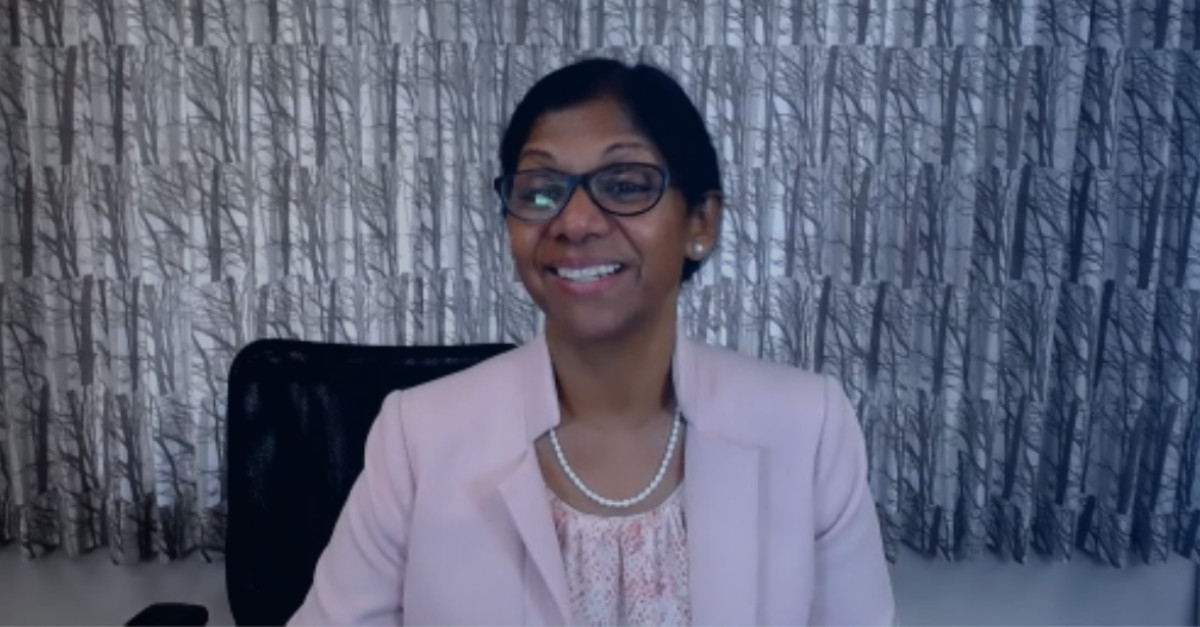
Sue Murphy RN BSN MS currently serves as the Chief Experience Officer at UChicago Medicine. Sue is a qualified leader with expertise in hospital operations, patient experience, staff development, and change management. Her significant accomplishments are in the areas of operational efficiency, patient throughput, and a leader in the ANCC Magnet Journey. Sue is an award-winning speaker, author, trainer, and coach. Her high energy and passion for leadership development along with patient and employee engagement has influenced both patients and employees at UChicago Medicine to pursue the journey of excellence.

#MillenniumLive on Human Empowered Cybersecurity

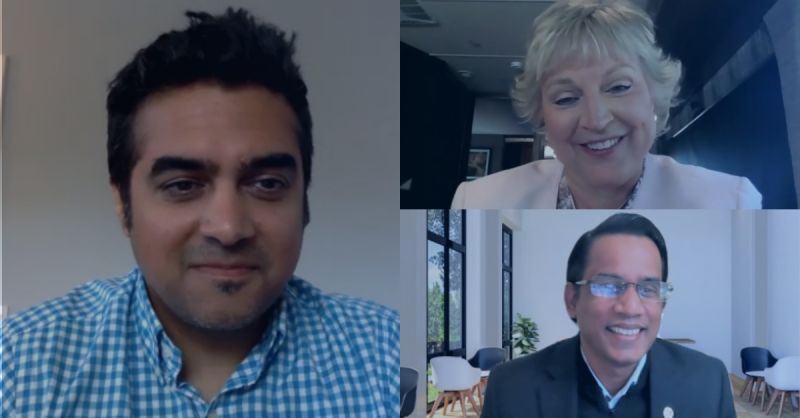
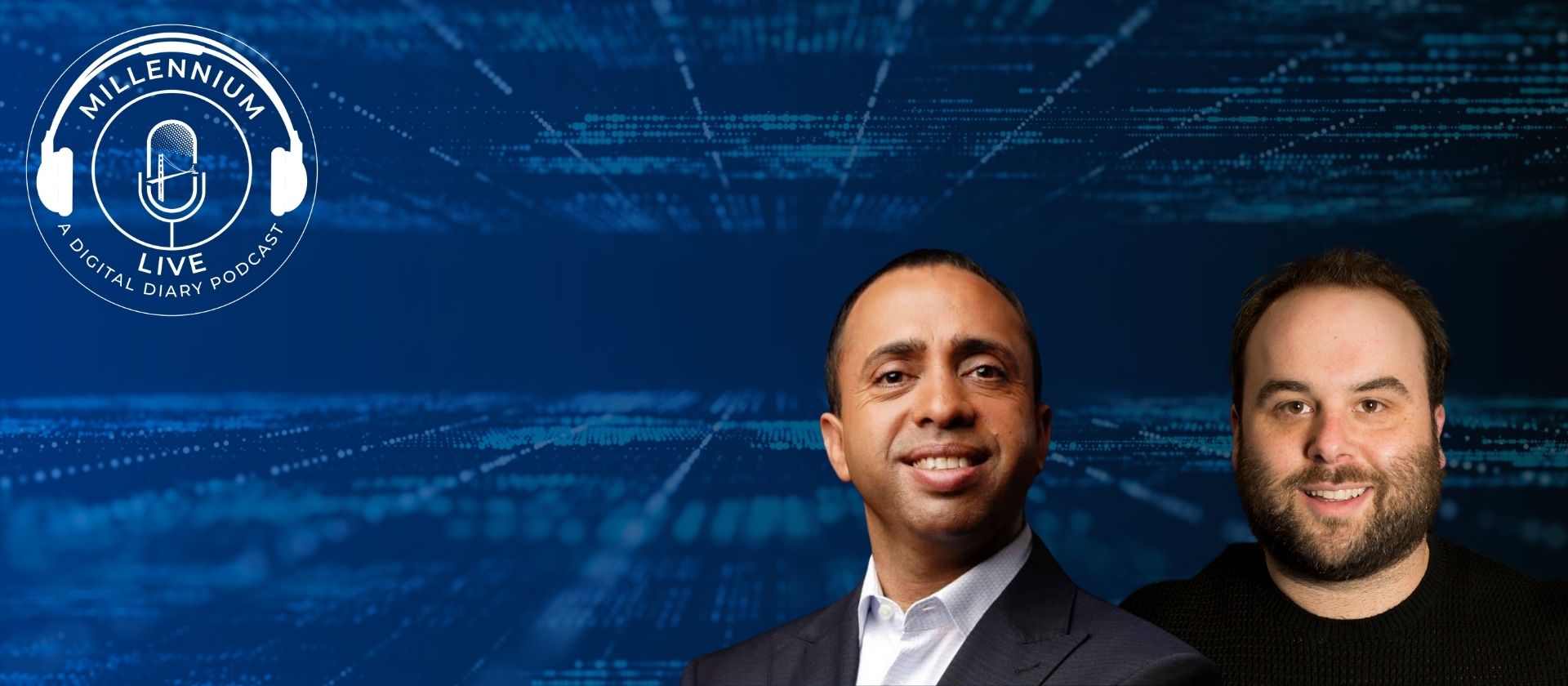
We’re happy to be joined by two renowned thought leaders on this episode. #MillenniumLive welcomes Marc Dupuis, from the University of Washington, and Karen Renaud, from the University of Strathclyde. Learn all about how these academics began working together, and the research they’ve been conducting over the years, which focuses on the idea that fear tactics are not the best approach for employers in cybersecurity. Instead, taking a human-centered approach could be a strong solution in strengthening the cybersecurity workforce.

Listen to the podcast episode on Spotify or Apple Podcasts.

Marc Dupuis

Marc Dupuis received his Ph.D. in Information Science at the University of Washington in 2014, with an emphasis on Information Assurance and Cybersecurity, and his M.S. in Information Science at UW in 2011. Dr. Dupuis also earned a Master of Public Administration at UW, and a M.A. in Political Science at Western Washington University. Dr. Dupuis taught as a Lecturer in Information Technology and Systems at UW Tacoma, where he was honored as a 2015 Distinguished Teaching Award nominee.

In the classroom, he emphasizes not only technical content, but also the professional development of the student, including how they interact with each other, presentation skills, communication, responsibility, and accountability.

Karen Renaud

Karen Renaud is a Scottish Computer Scientist and Chair of Cybersecurity at Abertay Universitu. She was educated at the Universities of Pretoria, South Africa and Glasgow. She has made contributions in the fields of usable security, technology adoption, email usage, electronic voting and design patterns.

She has been a visiting lecturer in Darmstadt, and at the University of the Western Cape. She was on a secondment to the Scottish Business Resilience Centre working with SMEs to improve resilience to Cyber Attack, funded by the Royal Academy of Engineering (2015-2016). In 2016-2017 she was a Fulbright Cyber Security scholar at Mississippi State University, working with Merrill Warkentin.

Dr. David Shulkin Keynotes Our Healthcare Payers & Providers Assembly!

We’re honored to have Dr. David Shulkin, Former Secretary of Veterans Affairs, keynote our Healthcare Payers & Providers Virtual Assembly on April 20-21, 2021. In the midst of a historic and turbulent year for healthcare, Shulkin has a proven track record of digitally transforming health care management – something he refers to as “one of the high priests of patient-centered care”. His areas of focus include: AI, Behavioral Health, Bundled Episodes of Care, Consumer Engagement, Genomics, Home Health, Opioid Addiction, Private Equity, Remote Monitoring, Robotics, and of course, Telehealth. 

In this Keynote Address, Shulkin will address lessons from Washington DC for the private sector and what we can learn from the largest health care delivery system in the country.  If you’re interested in joining this keynote session, go here to RSVP!

About Dr. David Shulkin

David Shulkin, M.D., is  Ninth Secretary of Veterans Affairs, Prior to serving as Secretary of Veterans Affairs, Shulkin was the leader of the largest integrated health care system in the United States as the VA’s Under Secretary of Health. He has also served in CEO roles for the University of Pennsylvania Health System, Temple University Hospital and the Medical College of Pennsylvania Hospital. Shulkin received his medical degree from the Medical College of Pennsylvania and is a board-certified internist. He completed an internship at Yale University School of Medicine and a residency and fellowship at the University of Pittsburgh Presbyterian Medical Center.

Healthcare Innovation Starts Here

Digital Transformation involves ongoing exploration by today’s leaders, and our best advice is to not trek the journey alone. Our Healthcare Providers & Payers Virtual Assembly coming this April is set to be a groundbreaking opportunity for leaders to virtually connect on the current trends & challenges the industry is facing amid COVID-19. Our assemblies are virtual for the time being, but you can still expect the same high-level discussion & networking as a Millennium onsite experience. Go here to RSVP!

The Millennium Alliance Celebrates Seven Years Of Helping To Transform The Digital Enterprise

NEW YORK – March 18 2021 – This month, The Millennium Alliance celebrates its 7th Anniversary. It has been the most challenging twelve months to date, but with great challenge also comes great opportunity. Since its founding in 2014, The Millennium Alliance has always been committed to guiding their members through good times and tough ones as well, which is why Millennium was eager to push through the disruption that rocked almost every industry just one year ago. 

For our events business, the cancelling of in-person assemblies left Millennium with the question of how to create new ways to maintain a sense of community among its members and technology partners when frictionless communication was more important than ever. This led The Millennium Alliance to successfully mimic its two day in-person assembly model with the launch of a portfolio of virtual offerings, including its Educate & Engage Virtual Platform, as well as Two-Day Virtual Assemblies. These new offerings have perfectly complimented Millennium’s existing digital portfolio, including The Digital Diary Content Platform, the rapidly growing #MillenniumLive Podcast Series, as well as industry-leading Executive Education Opportunities. These Virtual Assemblies started off as a quick solution in response to unforeseen circumstances, but have quickly evolved into an innovative way to expand Millennium’s network, form new partnerships, and reach C-Suite executives from all across the country from the convenience of their home office.  

“As we celebrate our Anniversary, it’s truly rewarding to look back on just how much we as a company have accomplished since Rob and I founded Millennium seven years ago. In what was a tough year for not just our industry, but for the entire country, I am incredibly appreciative for each person on our team, our members, our partners, and thought leaders who have supported us and helped to elevate our company to new heights over the past year. The best is yet to come and I am fully expecting our 7th year to be Millennium’s most successful one yet.” Alex Sobol, Co-Founder, The Millennium Alliances

ABOUT THE MILLENNIUM ALLIANCE
Headquartered in Midtown Manhattan, The Millennium Alliance is a leading technology, business, and educational advisory firm. Focusing primarily in areas such as business transformation, executive education, growth, policy, and need analysis, Millennium is quickly becoming one of the most dynamic locations for collaboration across the world.

We provide a framework for Fortune 1000 C-Level executives, leading public sector/government officials, and thought leaders across a variety of disciplines, to meet their peers, understand industry developments, and receive an introduction to new technology and service advancements to help grow their career and overall company value. With a constant thirst for a conversation that has real value, it is our duty to provide a platform for all leaders to further develop in an ecosystem of innovation and knowledge so all parties can continue to shape the real purpose of business: to make things efficient and worthwhile.

#MillenniumLive on Data Privacy with SecurityScorecard

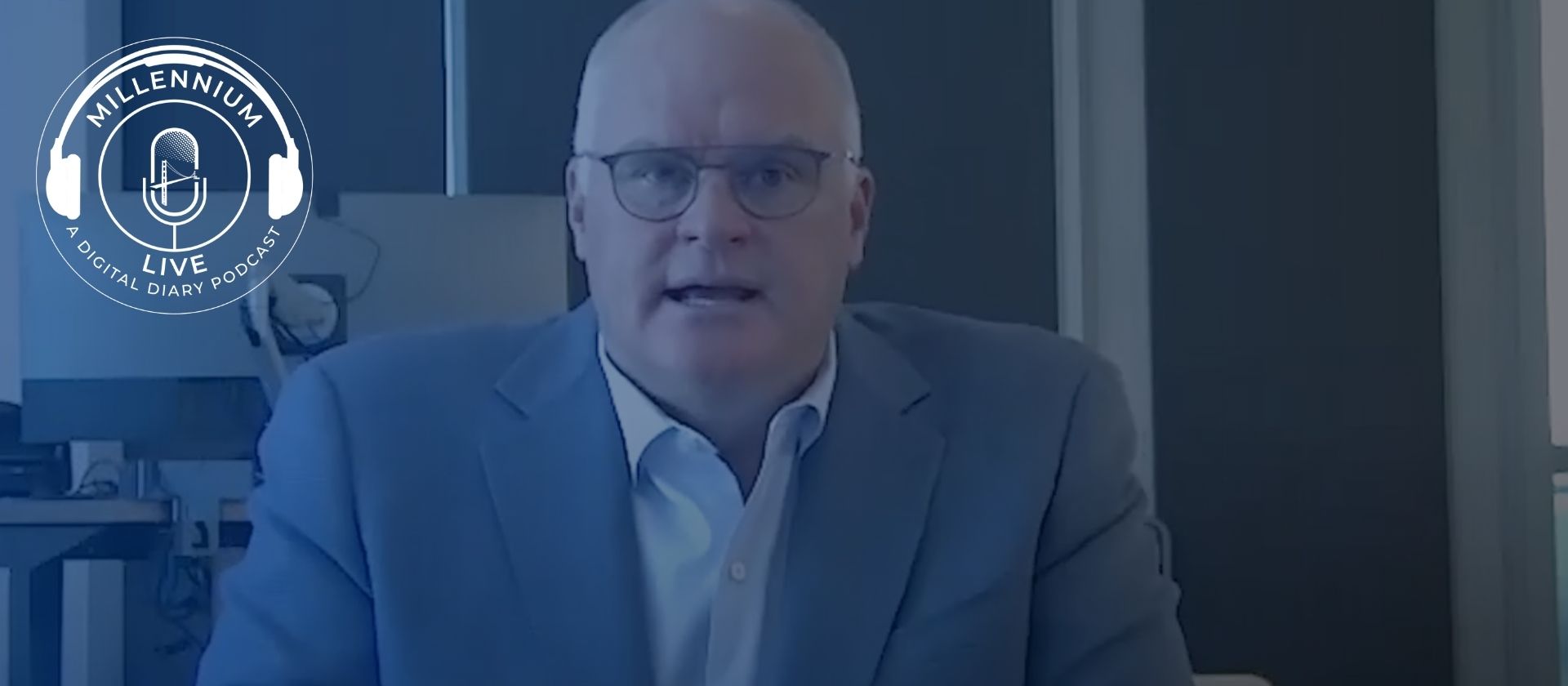
Cybersecurity consistently needs to be a top priority for businesses now and for the future. Our Transformational CISO partner, SecurityScorecard takes an outside-in perspective, instantly identifying vulnerabilities, active exploits, and advanced cyber threats to help rigorously protect business and strengthen enterprise security posture. They were named a “Technology Pioneer” by the World Economic Forum in 2020. Mike Wilkes, the Chief Information Security Officer, joins #MillenniumLive to talk about the right approach to data privacy and how SecurityScorecard is making businesses safe.

Watch the video interview below, or listen to the podcast episode on Spotify or Apple Podcasts.

Request a Demo

Understand and reduce risk with SecurityScorecard.

Get a holistic view of any organization’s security posture based on the collection, analysis, and attribution of millions of critical data points.

  • Continuously monitor cybersecurity risk in your IT ecosystem.
  • Utilize easy to understand cybersecurity risk scoring.
  • Track how you and your vendors are doing over time.

Go here to request a demo!

State of Secrets Sprawl on GitHub – 2021

Our partners at GitGuardian have been scanning every single public commit made on GitHub for secrets since 2017, and they are now releasing their findings in the most comprehensive study on secrets sprawl ever conducted.

The community that has been built around GitHub, the Octoverse as it has become to be known, has been fundamental in changing how we use and build open-source components and software. Today there are more than 50 million developers using GitHub, 60 million repositories created in a single year and over 2 billion commits, the size of the Octoverse is outstanding.

GitHub today has become a place for developers to showcase their work and contribute to the millions of projects that form much of the building blocks modern software development is built upon. With such a vast resource of data publicly available, as you may imagine, there is also a huge number of sensitive data that is unknowingly or accidentally pushed to the platform, namely secrets like API keys, credentials and other digital authentication strings. These secrets can be used by attackers to gain access to infrastructure, systems and PII. When these secrets are distributed through multiple systems and services it creates a problem we collectively call secrets sprawl. Because code is so widely distributed through GitHub and because git keeps a complete record of a repository’s history, a public repository is arguably the worst place for a secret to end up.

How big of a problem is secrets sprawl on public GitHub? This has been very difficult to accurately quantify, until now!

Download the report here